 Dr. Ali Fenwick, Ph.D. Psychotherapy

Digital Well-Being Counselling
When your relationship with technology starts to cost you.
A specialised track for compulsive phone use, disrupted sleep, shrinking concentration, and the low mood and anxiety driven by social media, or by attachment to AI companions and chatbots.
What it is
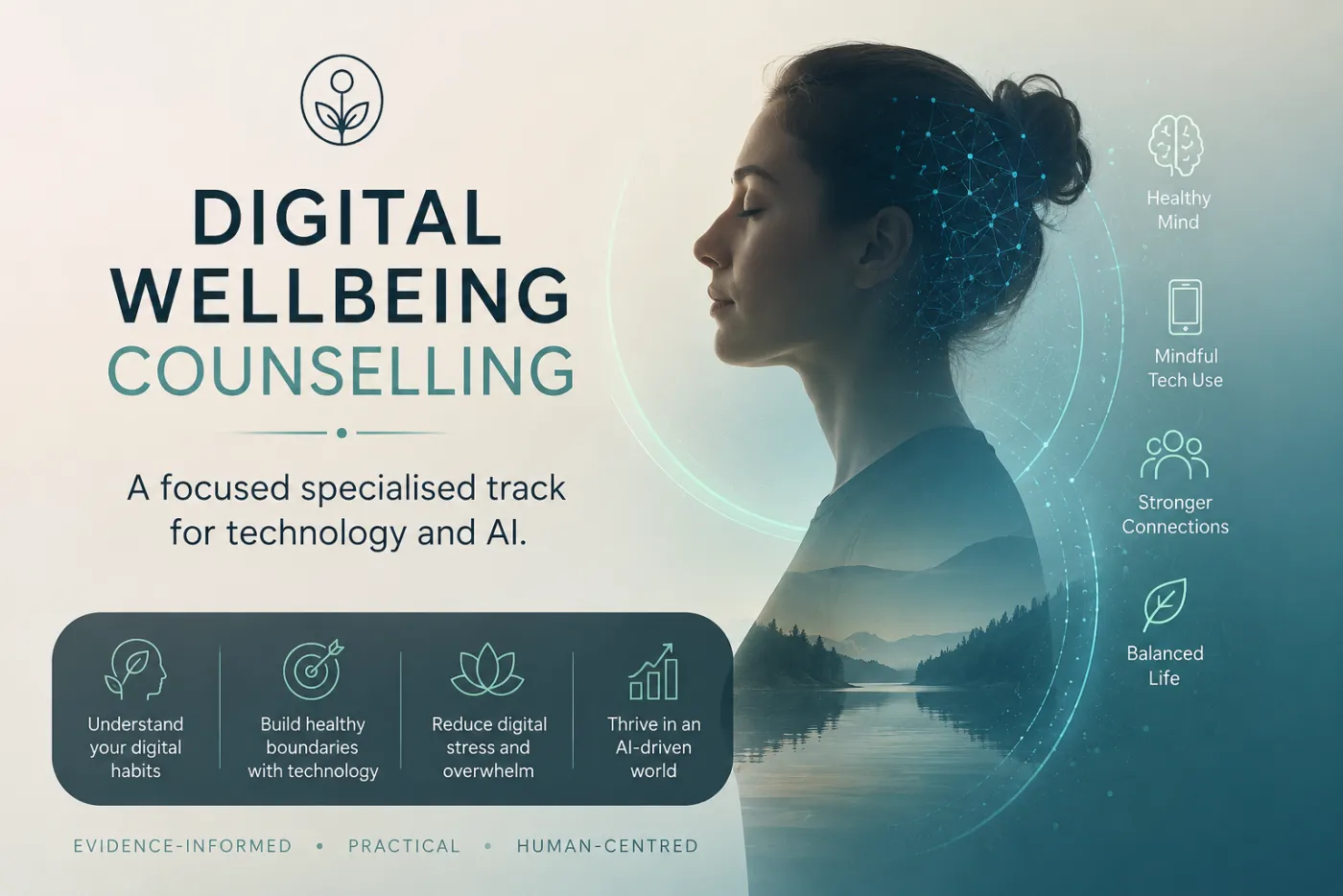
A focused specialised track for technology and AI.
A specialised track
Developed and led by Dr. Ali Fenwick, drawing on his years of research into the psychological impact of screens, social media and AI on the human psyche.
Combining insights from algorithmic behaviour (and its impact on how people think, feel and behave), clinical psychology and psychotherapy, and behavioural psychology.
For people whose relationship with technology is affecting their functioning, mood, relationships or sense of self. It applies established therapeutic approaches, from behavioural addiction, attachment, grief and self-esteem work, to a domain most counselling was never designed to address.
The work is practical and non-judgemental. We identify the patterns and their triggers, understand the needs they’re meeting, and rebuild boundaries and connection that hold up in real life.
About the work
How AI targets your attention and attachment.
Many people arrive without naming the technology at all, exhausted, unable to focus, lonely but avoidant of contact, feeling behind or inadequate. Only later do they recognise how much of it traces back to their devices, their feeds, and the AI they now turn to for company or reassurance.
If that sounds like you, the problem isn’t a lack of willpower. These systems are built by very well-resourced teams to hold your attention and simulate connection. They’re effective by design. Struggling with them is not a character flaw, and “just put the phone down” has never been useful advice. The work treats technology and AI as relationships in their own right, because that’s how they function.


What it can help with
Common presenting concerns.
Compulsive, pre-conscious phone use
Attention, focus and cognitive load
Sleep disruption and doomscrolling
Social media, comparison and self-worth
Emotional attachment to AI companions and chatbots
Parasocial attachment to creators and online figures
Relational impact, phubbing and secrecy
Conflict with a partner or children over device use
Loss of presence, purpose and meaning
How the work goes
What to expect from Digital Well-Being Counselling
We start with what’s actually happening, not how much screen time you log. What the pattern is, when it fires, and what it’s doing for you. Most of it is meeting a real need, which is precisely why willpower alone hasn’t shifted it.
From there, the work is rebuilding boundaries and connection that hold in real life, changes you can keep, not a digital detox you abandon in a fortnight.
Sessions are held online and run for 60 minutes.
Your practitioner
Meet Dr. Ali Fenwick, Ph.D.
Professor of Organisational Behaviour · Behavioural Psychologist · Psychotherapist · Executive Coach
I am the clinician who created this specialised track in digital well-being counselling. With over twenty years in organisational psychology and human behaviour, my work sits at the nexus of psychology, well-being, and technology, which is exactly why I can bring the right frameworks, insights, and tools to help you improve your relationship with AI and your device.
I offer digital wellbeing counselling online. Digital Wellbeing Counselling is not psychotherapy. It is an evidence-based behavioural support service that helps people develop healthier relationships with technology, improve digital habits, strengthen psychological resilience, and thrive in an increasingly digital and AI-driven world.
View Ali’s full profileFurther reading
On technology and well-being.
Here are some peer-reviewed scientific articles I have written about the importance of building a healthy relationship with AI, and the role organisations play in ensuring AI deployment happens in a more human-centric way.

AI & Behaviour
The importance of humanizing AI
Discover Artificial Intelligence, 2022
Read the article →
AI & Organisations
Revisiting the role of HR in the age of AI
Frontiers in Artificial Intelligence, 2023
Read the article →
AI & Organisations
The critical role of HRM in AI-driven digital transformation
Discover Artificial Intelligence, 2024
Read the article →
Social Media
Why is social media addictive?
Hult International Business School
Read the article →
Not sure where to start
Talk to us first.
If you’re not certain this is the right fit, contact me and my team and we’ll talk it through. No pressure, and no need to have it all worked out before you get in touch. Most people who contact us aren’t sure what they need yet, that’s completely normal, and it’s what the first conversation is for.
Frequently asked questions
Which questions come up frequently about digital well-being counselling.
Is this the same as ordinary counselling?
Digital Wellbeing Counselling is not a mental health treatment or psychotherapy service. Instead, it is a structured coaching and behavioural intervention that focuses on developing healthy digital habits, reducing technology-related stress, improving focus and balance, and supporting wellbeing in today’s connected world.
Will I be told to give up my phone?
No. This isn’t about abstinence or a detox you abandon in two weeks. It’s about understanding the pattern and rebuilding boundaries and connection that actually hold in real life.
I feel a bit silly bringing this up. Is that normal?
Completely. These systems are engineered to be hard to resist. Struggling with them isn’t a weakness, and it’s exactly the kind of thing this work is for.
Can it help with attachment to an AI companion or chatbot?
Yes, this is a core focus. We treat that attachment as a real relationship, understand the need it’s meeting, and work with it directly rather than dismissing it.
Is this only for people “addicted” to their phone?
No. Most people come with focus, sleep, mood or relationship concerns and only later connect them to their devices. You don’t need a label to benefit.
Does it help with doomscrolling and sleep problems?
Yes. Late-night scrolling and disrupted sleep are among the most common reasons people come, and among the most responsive to focused work.
How long is a session, and what does it cost?
Sessions run for fifty minutes, online. Get in touch for current fees and any concession options.
Is it available online?
Yes, delivered securely online across Ireland and Europe, and in person at our clinic in Cork.
Can I do this alongside other therapy?
Often, yes. We’ll make sure it complements any existing support rather than cutting across it. Just let us know what else you have in place.
As a clinic or therapist, can I offer your Digital Well-Being Counselling to my clients?
Yes. Digital Well-Being Counselling is available as a licensed specialist service for clinics, therapists, and organisations. Following certification, you can confidently integrate the framework into your existing practice while receiving access to training, clinical resources, assessment tools, and ongoing professional support.
For clinics & therapists
Digital Wellbeing Counselling®
A specialist certification for mental health professionals.
Digital Wellbeing Counselling® is an evidence-informed specialist approach that equips therapists, counsellors, psychologists and wellbeing professionals to help clients build healthier relationships with technology, reduce digital stress, and thrive in an AI-driven world.
Successful completion leads to recognition as a Certified Digital Wellbeing Practitioner®.
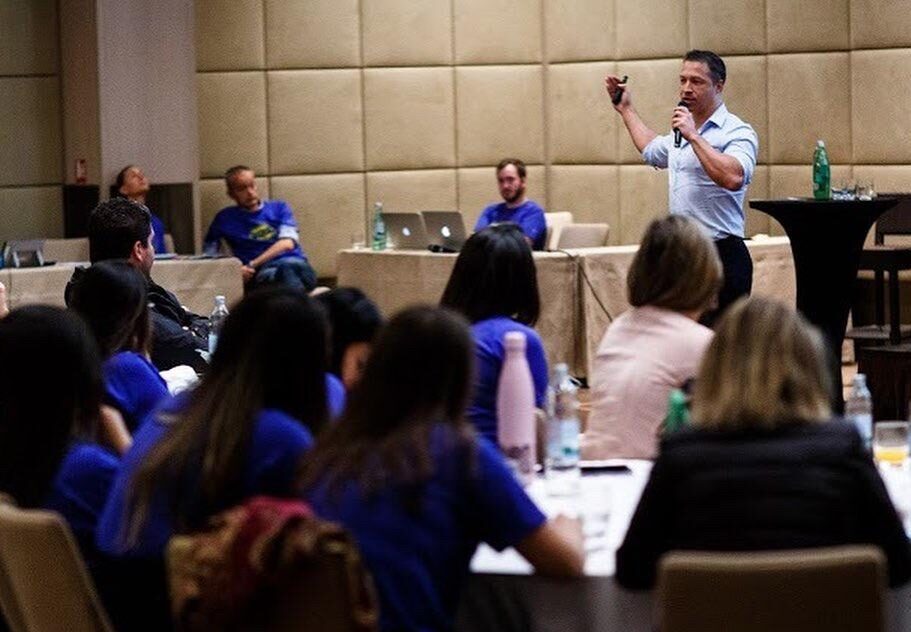
Become a Certified Digital Wellbeing Practitioner®
Join a growing network of therapists and mental health professionals trained in Digital Wellbeing Counselling®, a structured, evidence-informed approach to helping clients navigate technology, digital stress, online relationships, AI, and modern behavioural challenges.
Enquire about certificationBring Digital Wellbeing Counselling® to your clinic.
Clinics can train their teams and become recognised as Certified Digital Wellbeing Clinics®, demonstrating a commitment to delivering high-quality, evidence-informed support for the psychological challenges of the digital age.
Check our licensing and certification offering